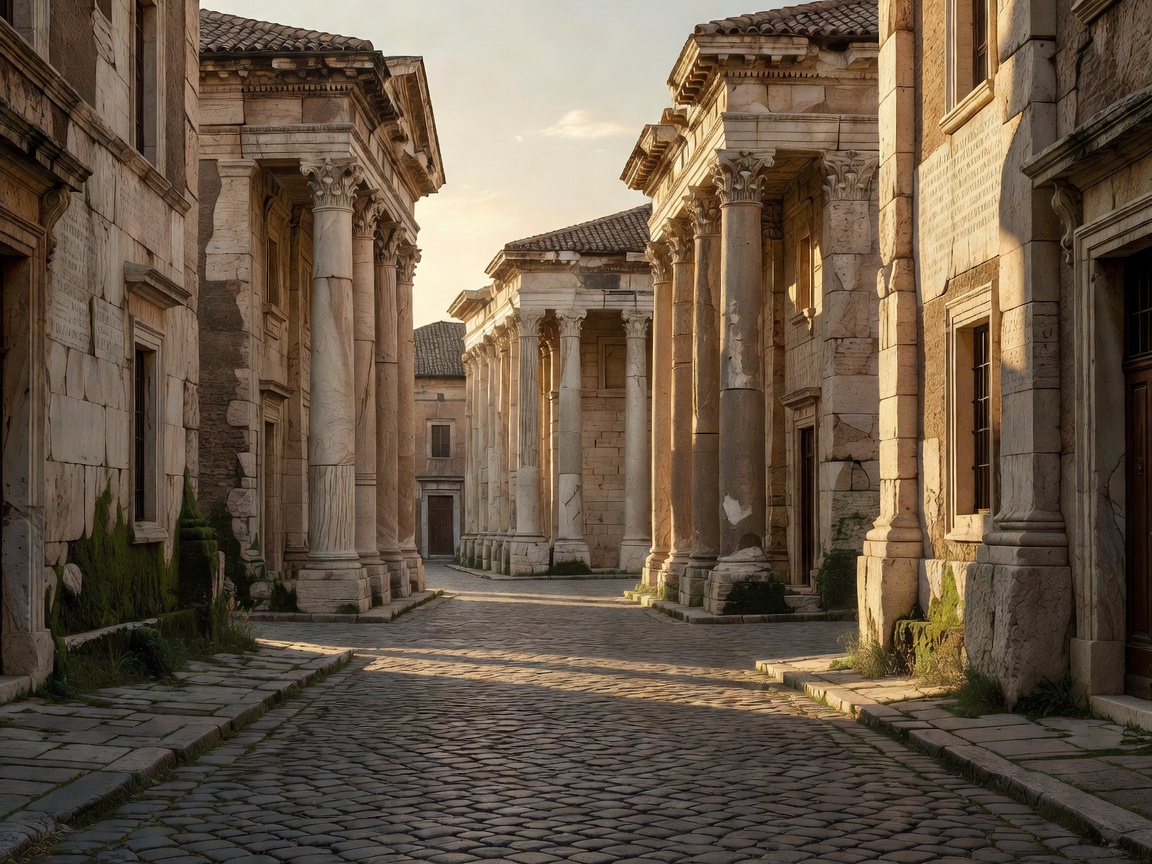
Day one: the ancient centre
Begin at the Colosseum before the sun becomes harsh. A combined ticket can include the Roman Forum and Palatine Hill, but allow at least three hours for all three. The Forum is beautiful and confusing without context, so an audio guide or small group tour can be worthwhile. Wear a hat and carry water; shade is limited across the archaeological area.
Continue toward Monti for lunch. This neighbourhood has become fashionable, yet its small trattorias and wine bars remain useful for a first meal. A casual plate of pasta is commonly €12–€18, while a sit-down dinner with wine can reach €35–€55. In the afternoon, walk to Trevi Fountain and the Pantheon, but expect crowds. Visit the fountain early or late and keep bags closed in dense groups.
Day two: Vatican and Trastevere
Reserve the Vatican Museums for the morning and select an entry time. The route through the museums is long, ending at the Sistine Chapel, so do not plan another major museum immediately afterward. St Peter’s Basilica is a separate experience and may involve security queues. Modest dress is expected. Cross the Tiber after lunch and explore Trastevere, where ivy-covered lanes lead to Santa Maria in Trastevere.
Trastevere is lively at night, but Testaccio offers a more food-centred evening. Its market, bakeries and traditional restaurants make it a strong choice for travellers who want Roman cooking rather than a generic tourist menu. Look for cacio e pepe, amatriciana, supplì and seasonal vegetables. Do not order a cappuccino after dinner if you want to blend in, although nobody will stop you.
Day three: parks, art or the Appian Way
Use a third day for a slower Roman experience. Villa Borghese combines greenery with the excellent Borghese Gallery, which requires a timed reservation and limits entry numbers. Alternatively, walk the Appian Way and visit the catacombs; transport takes planning, but the ancient road gives a different sense of the city. Campo de’ Fiori is convenient for a morning browse, while the nearby Jewish Ghetto is better for a calm lunch and architectural wandering.
Rome’s centre is walkable but rough underfoot, and taxis can be useful when heat or luggage makes public transport awkward. Accommodation near Monti, Centro Storico or Prati keeps a short stay efficient. The city’s biggest downside is the pressure of famous sights; its greatest advantage is that a ten-minute turn can reveal a fountain, church or courtyard no itinerary mentioned.